Thai Life Insurance: Unsung Hero and the Power of Quiet Goodness
Most insurance advertising operates on a simple emotional premise: fear. Fear of illness, fear of accident, fear of leaving your family without financial support. Thai Life Insurance, working with Ogilvy & Mather Bangkok, decided to make something different. “Unsung Hero,” released in 2014, became one of the most watched and most shared advertisements ever produced in Southeast Asia, and one of the most genuinely moving pieces of brand communication ever made anywhere.
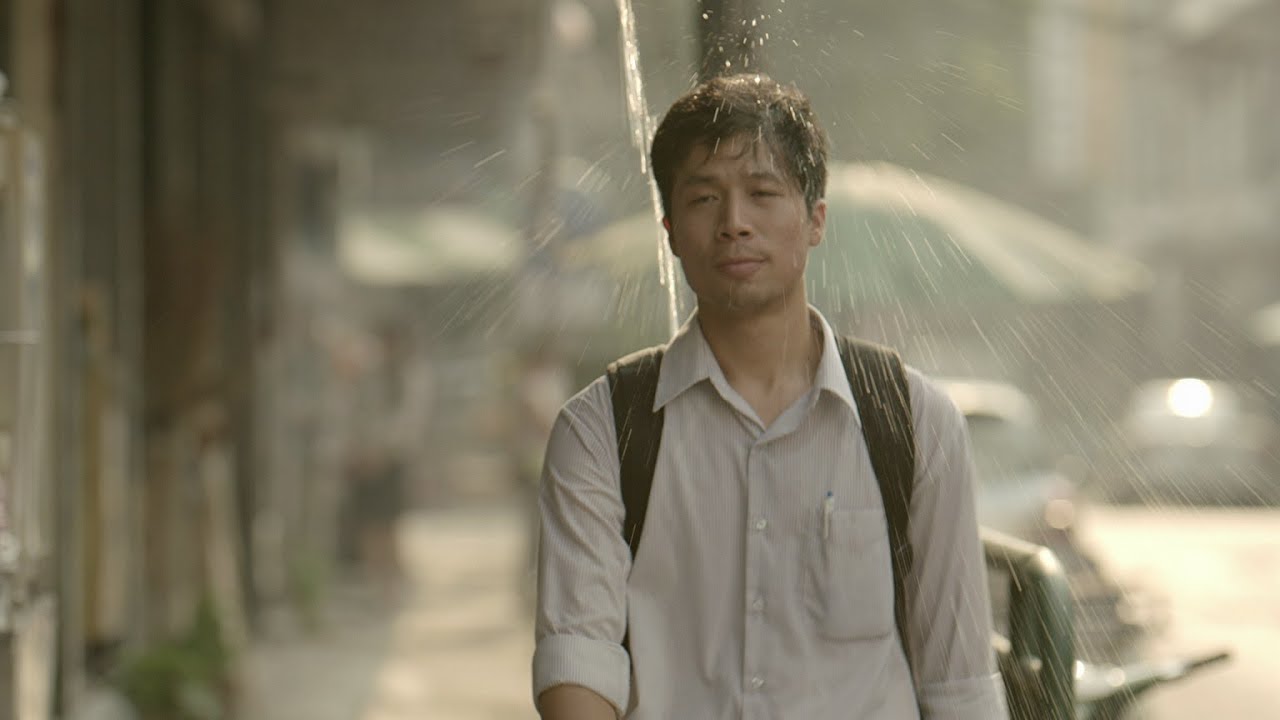
The film has no product pitch. No policy comparison. No price point. Just three minutes following an ordinary man through his ordinary days as he quietly, unremarkably does good things for strangers — with no expectation of recognition or reward.
The Story
The film opens on a man waking up early and beginning what appears to be an unremarkable day. As he moves through his neighborhood, he stops to do small things: he moves a pot plant onto the street so a struggling sapling can receive rainwater from a drain. He gives food to a stray dog. He leaves money in a bowl outside the home of a family he knows is poor. He helps a young girl walk to school. He buys food for an elderly woman sitting alone.
Nobody thanks him. Nobody notices him. He continues.
The days pass. The film shows the accumulation of his small acts through a series of returns: the sapling grows and eventually becomes a small tree. The stray dog is healthy and happy. The poor family uses the money to give their daughter an education — and one day, the man sees her in a school uniform for the first time. The elderly woman is still alive and eating. The neighborhood has, in some invisible way, changed around him.
The final card reads: “What does he get in return? He gets to witness a better world.”
Then, quietly: “Thai Life Insurance.”
Why It Works
The power of “Unsung Hero” comes from its radical patience. It doesn’t rush to explain itself or manufacture emotion through narrative shortcuts. It trusts the viewer to recognize something they know intuitively but rarely see depicted: that kindness without recognition is the most valuable kind, and that the accumulation of small good acts has effects that ripple outward in ways we rarely get to witness.
Ogilvy Bangkok’s Korn Tepintarapiraksa served as Executive Creative Director, and director Thanonchai Sornsriwichai brought the film’s understated visual sensibility to life. The choice to shoot in a naturalistic, low-glamour style — real streets, real light, everyday people — gave the film a quality that felt observed rather than constructed.
The music was spare and quiet, serving the emotion rather than manufacturing it. No sweeping orchestral crescendo signaling when to feel. The audience was trusted to arrive at their own emotional response through the accumulation of detail.
The Thai Advertising Tradition
This is similar territory to the Dove Real Beauty Sketches film also covered on this site — both rely on patient observation rather than narration to earn an emotional payoff. Thailand has developed a reputation over the past two decades for producing advertising that is openly, unapologetically emotional in a way that Western advertising rarely allows itself to be. Thai Life Insurance had already made a series of emotionally devastating short films before “Unsung Hero” — spots dealing with illness, family sacrifice, and mortality with a directness that would be unusual in most Western markets.
The cultural context matters. Thai culture, deeply influenced by Buddhist values, places high emphasis on merit-making — performing acts of goodness not for recognition but for the accumulation of spiritual merit. The man in “Unsung Hero” is not virtuous in a way that requires explanation to a Thai audience. He is simply living by a set of values that many in the audience recognize and aspire to.
That cultural specificity paradoxically made the film more universal. The values depicted — selfless kindness, quiet generosity, the satisfaction of seeing a better world emerge from small good acts — resonated globally precisely because they were grounded in something genuine rather than manufactured for broad appeal.
Reach and Response
“Unsung Hero” accumulated over 117 million views on YouTube, an extraordinary figure for a regional brand film. It won at Cannes Lions and the One Show, and was shared by millions of people who had no connection to Thailand and no need for Thai Life Insurance products.
The response in the comments section of the YouTube video became something of a cultural event in itself. Hundreds of thousands of people from dozens of countries wrote about how the film had affected them — stories about their own acts of unnoticed kindness, reflections on goodness, and expressions of gratitude that someone had made something so simple and true.
What Brands Can Learn
“Unsung Hero” remains one of the clearest demonstrations that a brand film doesn’t have to be about the brand to do brand work. Thai Life Insurance appears at the end for approximately three seconds. The entire preceding three minutes has been pure storytelling — a story about a human value that the brand has identified as genuinely its own.
The logic is sound: insurance, at its most fundamental, is an act of caring for others. You don’t buy insurance for yourself. You buy it so that the people you love will be protected if something happens to you. “Unsung Hero” didn’t explain that. It embodied it.
For background on Thai Life Insurance’s broader history of emotional brand films, see the Wikipedia entry on Thai Life Insurance.
Client: Thai Life Insurance Agency: Ogilvy & Mather Bangkok Executive Creative Director: Korn Tepintarapiraksa Director: Thanonchai Sornsriwichai Year: 2014