
Google Parisian Love: The Search Engine Ad That Made America Cry
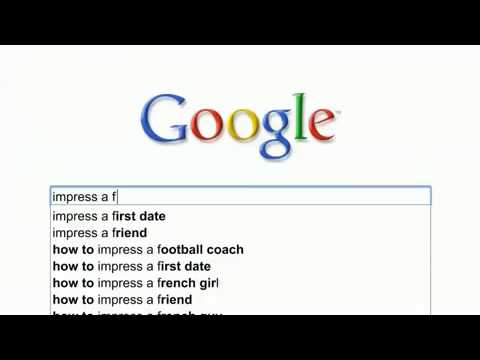
It is a love story told entirely through a series of Google searches. There is no actor. No dialogue. No music until the very end. Just a search bar, a series of queries, and the sound of keys clicking. In 60 seconds, Google’s “Parisian Love” — created by the company’s own in-house creative team and aired during Super Bowl XLIV in February 2010 — made millions of people feel something profound about a software product they used every single day without ever thinking about it.
The commercial cost almost nothing by Super Bowl standards. It was conceived by a group of Google employees, not a hired advertising agency. It had no celebrity, no production value to speak of, and no narrative trick beyond the audacious simplicity of its premise. And it is widely regarded as one of the best Super Bowl commercials ever made.
The Story
The film opens on a blank Google search bar. A hand types: “study abroad paris france.” Results appear. Then: “cafes near the louvre.” More results. Then: “translate tu es tres mignon.” Then: “impress a french girl.” Then: “chocolate shops near the sacre coeur.” Then: “long distance relationship tips.”
A pause. The story has arrived somewhere new. Then: “jobs in paris.” Then: “relocation tips usa to france.” Then: “how to assemble a crib.”
And then, after another pause, one final search: “churches in paris.” And over images of search results for churches, the sound of wedding bells.
An entire life, a complete love story — meeting, courting, falling, separating, deciding, moving, building a family, marrying — told through nothing but a search box and the things one person typed into it over the course of a few years. The final card: Google. Search On.
The Origin
“Parisian Love” was created by Google’s own in-house creative studio, Google Creative Lab, and was initially produced not as a Super Bowl commercial but as a demo video for an internal campaign called “Search Stories” — a series of short films designed to show how people actually used Google in their daily lives.
The film was not originally intended for television at all. It was created to be shown internally, and then on YouTube as part of the Search Stories series. When Google’s marketing team saw it, they recognized that it was something special — something that, in its simplicity and emotional directness, captured what Google actually meant to people in a way that no traditional brand advertising had ever done.
The decision to air it during the Super Bowl was made relatively late and represented Google’s first-ever television commercial. The company had built its brand almost entirely through product excellence and word of mouth. “Parisian Love” was their announcement that they were ready to speak directly to the broadest possible audience.
Why It Worked
The genius of “Parisian Love” is its understanding that Google is not a technology product — or at least not primarily one. It is the tool through which people navigate the most important moments of their lives. The searches in the film are not demonstrations of features. They are the actual language of a real human experience: curiosity, desire, confusion, decision, love.
By showing the search bar doing what people actually use it for — not academic research or navigation, but the fumbling, hopeful, specific questions of a person in the middle of living — the film made millions of viewers recognize themselves. Most people watching had typed something like “how to impress a french girl” or “long distance relationship tips” into a search box at some point. The film turned that private, slightly vulnerable behavior into a shared human experience.
The restraint of the production — no music until the very end, no images beyond the search results page, no narrator — gave the film a quality of documentary truth. It felt like something discovered rather than manufactured.
The Response
The commercial generated enormous emotional response. Social media in 2010 was not what it is now, but the comment sections of the YouTube upload filled with people sharing their own love stories, expressing surprise at being moved by an advertisement for a search engine, and simply writing “I’m not crying, you’re crying.”
It won numerous advertising awards and appeared on virtually every list of the best Super Bowl commercials of the decade. It was discussed in journalism and media schools as an example of brand storytelling at its most economical and powerful.
The Lesson for Advertisers
“Parisian Love” offered a lesson that most advertisers were too accustomed to conventional production value to fully absorb: the most powerful advertisement might be the one that most closely resembles the truth. Not the embellished, produced, celebrity-endorsed truth of advertising, but the actual texture of how real people use real products in the real moments of their lives.
Google had an advantage that most brands don’t: their product really was present in the most important moments of millions of lives. “Parisian Love” simply made that visible. It’s the same instinct behind Always #LikeAGirl — find the truth your brand already has a genuine claim to, and trust the audience to recognize it without embellishment.
Client: Google Agency: Google Creative Lab Year: 2010
For more on the campaign’s background, see the Wikipedia entry on Google’s Parisian Love advertisement.