Dove Real Beauty Sketches: You Are More Beautiful Than You Think
In April 2013, Dove released a short film that would become one of the most watched advertisements in internet history. “Real Beauty Sketches” reached 163 million views in its first month online, was shared in 25 languages across 110 countries, and sparked a global conversation about self-perception, beauty standards, and the gap between how women see themselves and how others see them.
It was, in almost every measurable way, the most successful viral video in advertising history at the time of its release. And it came from a deodorant and soap brand.
The Concept
The idea was developed by Ogilvy Brasil on behalf of Unilever’s Dove brand, part of the long-running “Campaign for Real Beauty” that had been running since 2004. The brief was to deepen Dove’s message about self-image — but the team wanted to do something that felt like a genuine social experiment rather than a polished brand message.
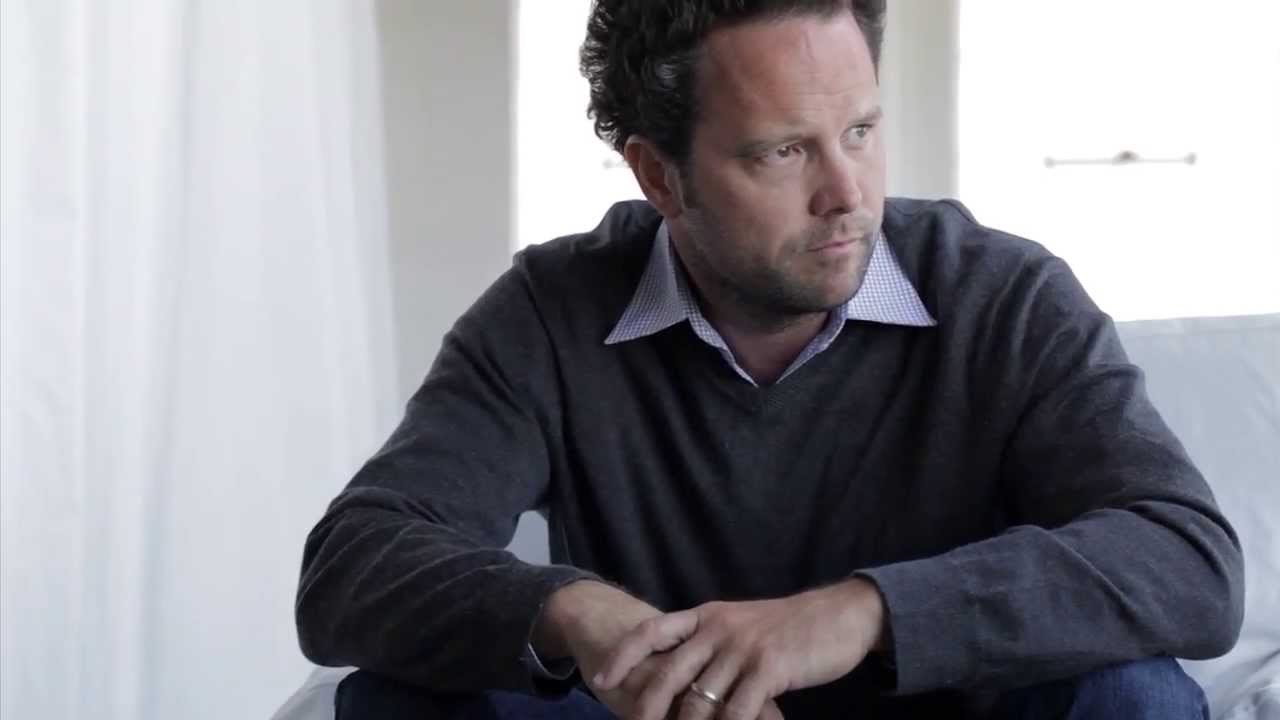
The solution was elegant in its simplicity. They hired Gil Zamora, a former FBI-trained forensic sketch artist, and asked him to draw portraits of women he couldn’t see based solely on their verbal self-descriptions. Each woman described her own face — her jawline, her forehead, her eyes, whether her features were too large or too small, too wide or too narrow.
Later, a stranger who had met the same woman briefly that day was asked to describe her face to Zamora. A second portrait was drawn from that stranger’s description.
The two portraits were then placed side by side and shown to the women. In every case, the portrait drawn from the stranger’s description was objectively more attractive, more open, and more accurate than the self-described portrait. The women described their own noses as too big, their chins as too prominent, their foreheads as too wide. Strangers saw kindness in their eyes, beauty in their smiles, softness in their features.
The Emotional Core
What made the film land was the moment of recognition on the women’s faces when they saw the two portraits together. Several were visibly moved — not in the performative way of staged advertising, but in the quiet, internal way of someone genuinely confronting something they hadn’t expected to see.
One woman, a young blonde, stared at her two portraits in silence before saying: “I should be more grateful of my natural beauty. It impacts the choices and the friends we make, the jobs we apply for, how we treat our children. It impacts everything. It couldn’t be more critical to your happiness.”
That line, unscripted and genuine, was more powerful than any copy a creative team could have written.
Ogilvy Brasil’s Approach
The Ogilvy Brasil team, led by Creative Director Hugo Veiga and Art Director Icaro Doria, made several smart creative choices that separated this from a typical brand film. The decision to use a real FBI sketch artist was not cosmetic — Gil Zamora had spent years creating composite sketches of crime suspects, giving him genuine authority as someone who knew faces professionally. His neutral presence in the film grounded the experiment in credibility.
The casting also avoided the typical advertising trap of selecting conventionally beautiful subjects to make a point about beauty. The women in the film were diverse in age, ethnicity, and appearance, which made the message feel universal rather than aspirational.
Director John X. Carey shot the film in a converted warehouse space in San Francisco with large windows, giving the footage a warm, documentary quality that felt nothing like a traditional commercial. The pacing was slow and deliberate, trusting the audience to stay with the emotional journey.
The Backlash and the Debate
No campaign of this scale escapes criticism, and “Real Beauty Sketches” was no exception. Critics raised several pointed objections. Journalist Erin Gloria Ryan wrote that the film still equated women’s worth with their physical appearance, arguing that the experiment’s premise — “you are more beautiful than you think” — was still grounded in the idea that beauty was something women should aspire to and be evaluated on.
Others noted the irony of a personal care brand, which profits from women’s insecurities about their skin, hair, and bodies, positioning itself as the champion of women’s self-acceptance.
Dove’s parent company Unilever also owns Axe, a brand that had spent years running sexually objectifying advertising. The juxtaposition was not lost on critics.
These critiques were fair, and they fueled a broader debate about cause marketing and whether brands could credibly hold progressive social positions while selling products in categories that historically exploited the very insecurities they claimed to address. That debate continues today.
The Impact
Whatever the ideological complications, the numbers were extraordinary. “Real Beauty Sketches” won the Cannes Lions Titanium Grand Prix in 2013 — the same year Volvo’s Epic Split later dominated — and took home Grand Prix awards in four additional categories. It became the most-awarded campaign at Cannes that year.
More significantly, Dove’s sales increased measurably in the wake of the campaign, demonstrating that cause-linked advertising that genuinely resonated emotionally could move product as well as sentiment.
The campaign also had a lasting impact on how brands approach social purpose advertising. It helped establish the template of the “brand experiment” — a real-world social or psychological test conducted by a brand to generate insight and emotional content. Dozens of campaigns in the years since have borrowed this format, with varying degrees of authenticity.
What It Proved
“Real Beauty Sketches” proved that a soap and deodorant brand could own one of the deepest human emotional truths — that we are often our own harshest critics — and use that truth to build a genuine cultural moment. It showed that advertising didn’t have to shout or entertain in the conventional sense to create impact. It could move quietly, with patience and emotional intelligence, and trust an audience to respond.
For Ogilvy Brasil, it was a career-defining campaign that demonstrated what a regional agency could accomplish on a global stage with the right idea.
Client: Dove / Unilever Agency: Ogilvy Brasil, São Paulo Creative Director: Hugo Veiga Art Director: Icaro Doria Director: John X. Carey Year: 2013