Coca-Cola 'Drink in America': A Celebration for America's 250th
America’s 250th birthday arrives in 2026 in a cultural moment defined less by consensus celebration than by argument about what America is and who gets to claim it. Coca-Cola, which has spent decades being one of the most explicit carriers of American soft-power symbolism, chose to enter that moment with a campaign called “Drink in America” — a phrase operating simultaneously as product imperative and cultural instruction.
The Double Meaning
“Drink in America” is doing two things with the word “drink.” The first is the obvious one — Coca-Cola is a drink, and the campaign is about drinking Coca-Cola. The second is the invitation to drink in America as a scene, an experience, a thing to absorb rather than observe from a distance: “drink it in,” the way you drink in a view or a moment.
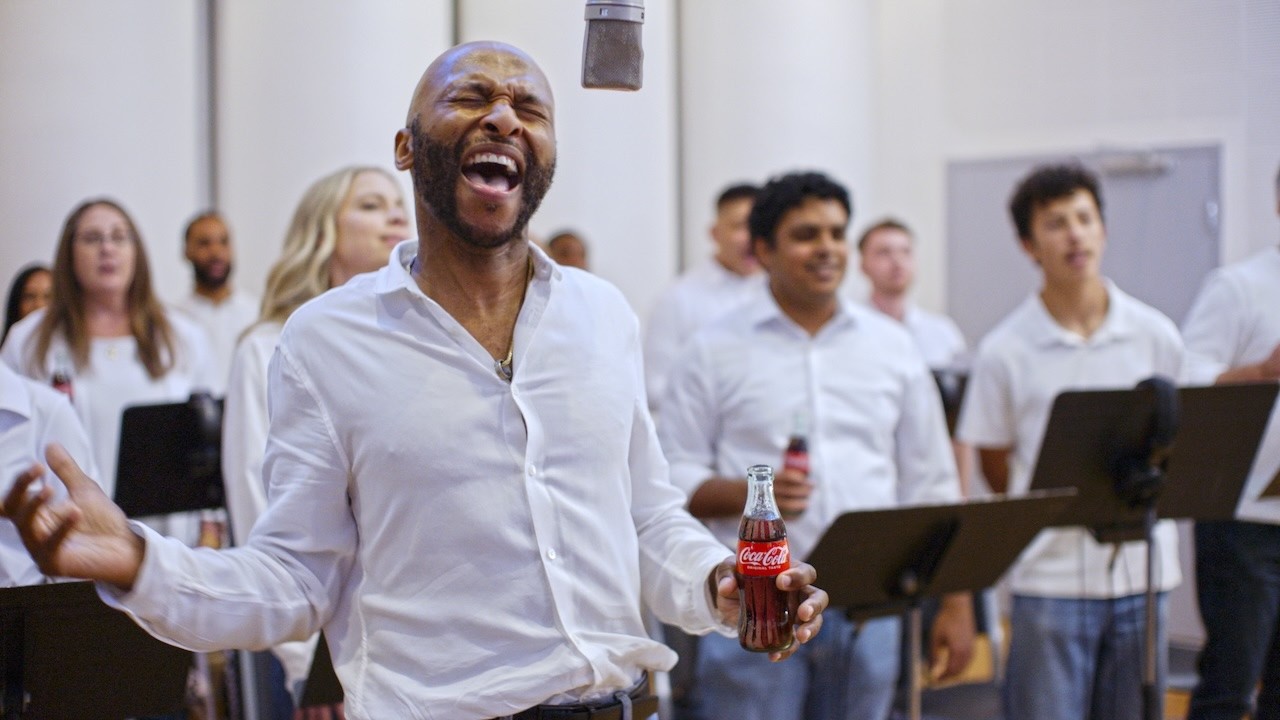
WPP Open X and Ogilvy USA built the campaign’s creative architecture around that double meaning. The film moves through American landscapes and American gatherings — not the symbolic America of monuments and skylines, but the ambient America of backyard cookouts, road trips, convenience stores, and the specific light of different American summers. The instruction is to experience all of this, with a Coke in hand.
The America250 Context
The America250 commemoration — the 250th anniversary of American independence — arrives without the cultural unity that typically props up a national celebration. The campaign’s choice to avoid explicit patriotic imagery while maintaining an unambiguously celebratory tone is the creative solution to that problem.
“Drink in America” does not ask you to feel a particular way about America’s institutions, history, or political direction. It asks you to be present in American life — to notice and enjoy the specific texture of the country at this moment. That is a much more achievable ask, and one that sidesteps the argument about what America means while remaining genuinely American in its reference points.
Ogilvy’s Heritage with Coca-Cola
Ogilvy’s history with Coca-Cola is long and storied enough that the account carries its own gravitational field within advertising history. The creative challenge in 2026 is not to reference that history explicitly — which would produce nostalgia rather than relevance — but to operate from the same fundamental understanding of what the brand is and does.
That fundamental understanding: Coca-Cola is a permission structure for enjoyment. It doesn’t sell refreshment; it licenses the moment of stopping to enjoy something. “Drink in America” extends that logic to the entire country — the campaign asks Americans to enjoy being in America the same way you enjoy a Coke.
The Visual Approach
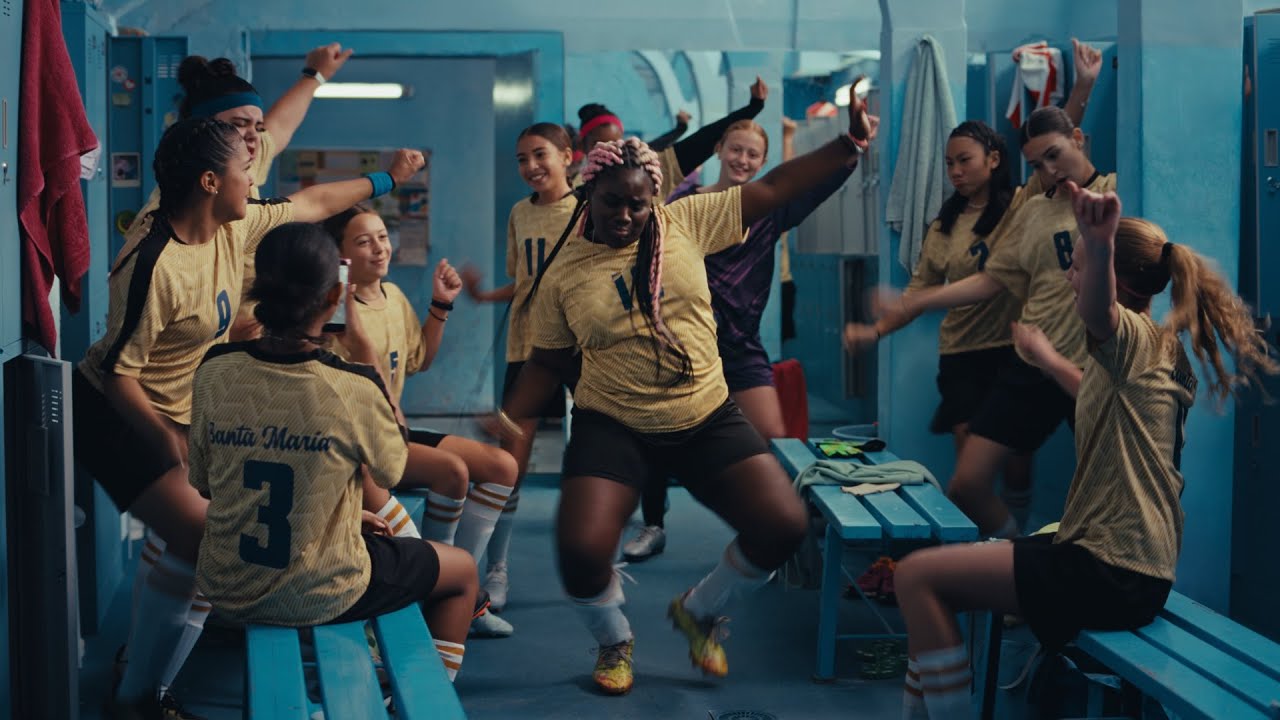
The film’s cinematography deliberately avoids the saturated, idealized America of typical patriotic advertising. The light is the real light of real American seasons. The people are not performing their Americanness — they are doing American things: eating, gathering, moving through landscapes.
This is harder to achieve than it looks. The temptation in a 250th anniversary campaign is to reach for the symbolic and iconic — to show the things America is supposed to look like. The decision to show the things America actually looks like is more technically demanding and produces a more emotionally resonant result.
What It Means for the Brand
For Coca-Cola, “Drink in America” represents a return to the brand’s most fundamental positioning: not a product claim, not a lifestyle aspiration, but a presence in moments of American life. The brand has made this claim before, most famously in “I’d Like to Teach the World to Sing” (1971) and “Mean Joe Greene” (1979). “Drink in America” doesn’t quote those campaigns, but it operates from the same understanding of where Coca-Cola lives.
At 250 years in, the country may be divided about its own story. The Coke is still cold.
Client: Coca-Cola Agency: WPP Open X / Ogilvy USA Campaign: America250 Year: 2026