Budweiser 'First Delivery': The Clydesdale Foal's Super Bowl Debut
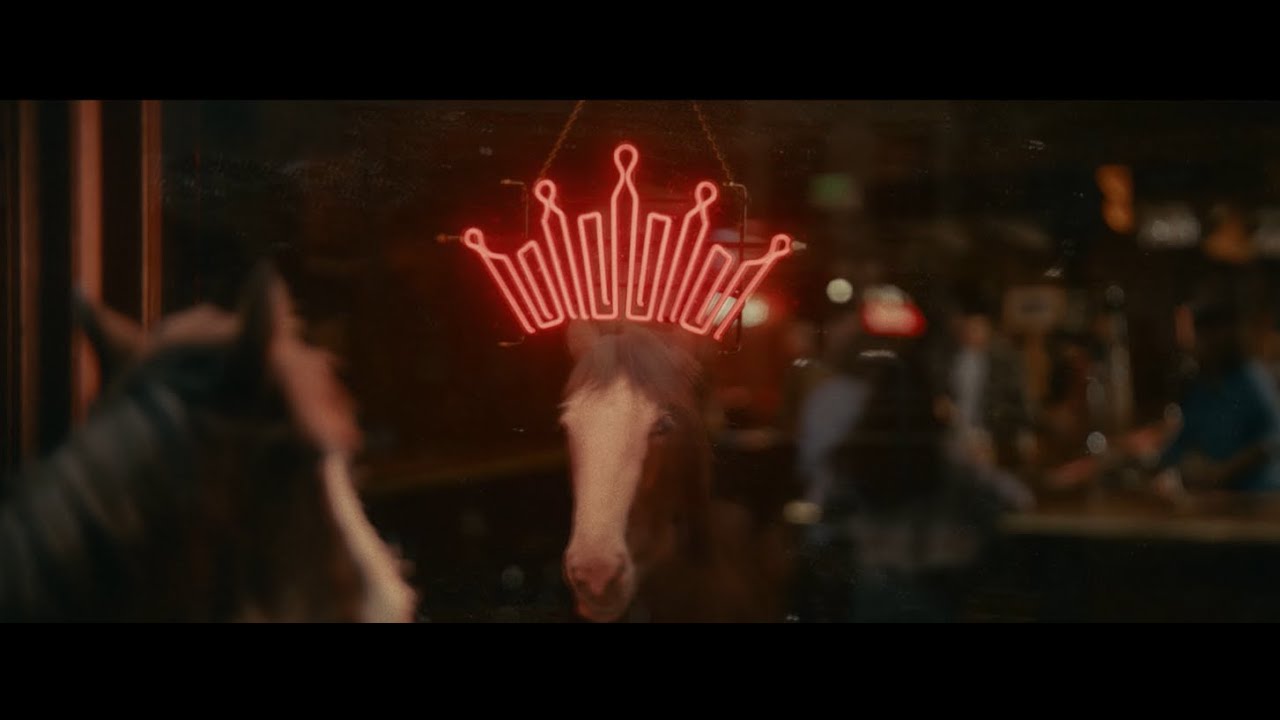
Budweiser has been running Clydesdale advertising since 1933 — the year Prohibition ended and the brand’s founders sent a team of the horses to deliver a case of beer to President Roosevelt. The 2025 Super Bowl spot, “First Delivery,” is the 47th time the Clydesdales have appeared in the Big Game. The familiarity of the setting and the familiarity of the animals are the point: this is a brand that knows what it is and is not apologizing for it.
The Premise
“First Delivery” follows a young Clydesdale foal on its inaugural delivery — stepping into the enormous horseshoes of the team that came before it, navigating the challenges of the journey, and ultimately completing the delivery against the odds. The narrative structure is one of the oldest in storytelling: the young one proves itself. The Budweiser version of this story is warm, well-made, and earnest in a way that the advertising landscape in 2025 would have you believe is uncool.
It is not uncool. It is just sincere, which is harder.
FCB New York’s Craft
Director Henry Alex Rubin — whose documentary “Murderball” established a visual approach built around proximity to physical effort — brings that same quality to “First Delivery.” The horses are filmed at a distance that makes them feel genuinely large, genuinely powerful, and genuinely real rather than cinematically idealized.
FCB New York has been working with Budweiser’s Clydesdale advertising long enough to understand what the animals’ power lies in: not the spectacle of the horse, but the relationship between the horse and the effort. The foal’s first delivery is moving not because it is spectacular, but because the horse is trying. You can see it trying.
That quality — visible effort, recognizable as the thing audiences put into their own lives — is the mechanism that makes Clydesdale advertising work across decades and cultural shifts.
The Strategic Logic
In a Super Bowl advertising landscape that had, in 2025, moved heavily toward celebrity cameos, humor campaigns, and digitally-enabled spectacle, “First Delivery” represents a deliberate counter-programming choice. Budweiser was betting that the audience for sincerity was larger than the advertising conversation suggested.
The post-game data confirmed the bet. “First Delivery” landed consistently in post-Super Bowl emotional response surveys, not because it was the flashiest spot but because it was the one that made people feel something uncomplicated — a rarity in a media environment that has gotten very good at irony and very uncertain about warmth.
What the Foal Represents
There is an obvious reading of “First Delivery” as a brand renewal narrative — the next generation of the Budweiser Clydesdale story, the new horse taking on the legacy of the old. Budweiser and FCB didn’t press this reading hard, which is the right decision. Over-explaining the metaphor would collapse it.
The foal works because it is a foal, not because it is a symbol. The audience can bring their own meanings to the journey — their own first days, their own anxiety about stepping into something larger than themselves, their own experience of proving they could do it. The spot is generous enough to hold those meanings without specifying them.
The 47th Time
The remarkable thing about Budweiser’s Clydesdale advertising is that it has remained recognizable across nearly a century while managing to feel, each time, like something worth watching rather than a corporate ritual.
“First Delivery” is the reason for that: the work keeps finding something true to say within the established form. The horse is always a Clydesdale. The delivery is always meaningful. The emotion is always genuine. Everything else — the specific journey, the specific foal, the specific challenge — can change. The brand stays.
Client: Budweiser (Anheuser-Busch InBev) Agency: FCB New York Director: Henry Alex Rubin Year: 2025